
Changing The Cultural Conversation
When I May Destroy You arrived on screens in June 2020, the world was in an unusual state of stillness. Lockdowns brought on by COVID-19 had forced us all indoors, disrupting routines and squashing daily life into the confines of home. In that wild time of global pause, audiences found themselves with something super rare in the digital age… time to really shut the hell up and listen.
Enter the phenomenal Michaela Coel with a series that would go on to redefine how television addresses sexual consent, trauma and memory.
For many viewers, I May Destroy You was not simply another drama to binge. It was a cultural reckoning.
A Story That Refused To Play Dumb
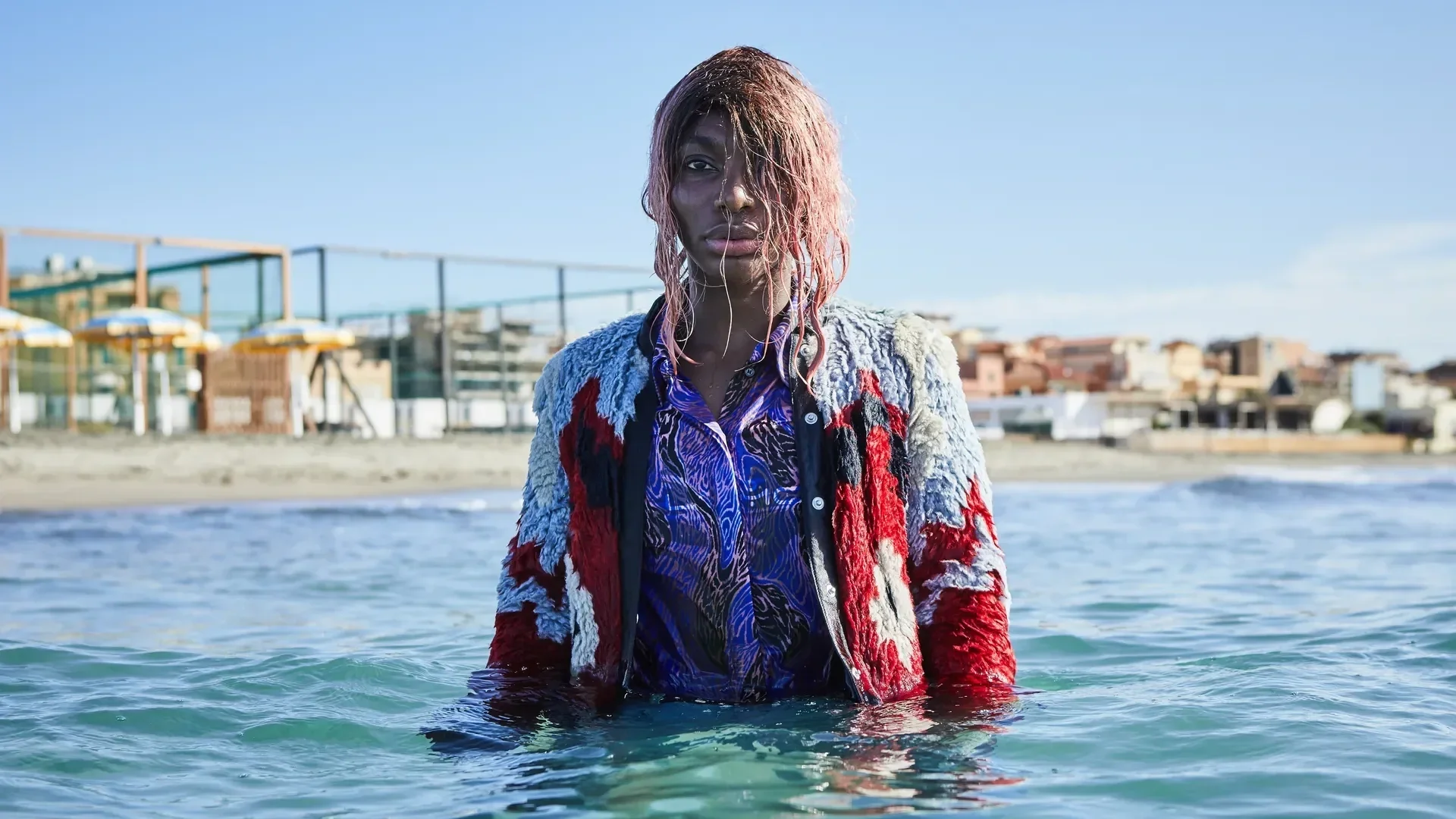
The series follows Arabella, a young Black writer in London attempting to finish her second book while navigating the aftermath of a sexual assault she struggles to fully remember. But what made the show revolutionary was not just its premise. Coel rejected the traditional televised narratives around assault that often frame survivors solely through victimhood or courtroom resolution.
Instead, she got knee deep in the messy, contradictory emotional shit that survivors go through.
Arabella’s journey is nonlinear, fragmented and deeply human. Memory shifts. Anger erupts unexpectedly. Healing does not follow a clean arc. Through this structure, Coel mirrored the psychological reality of trauma. It was a radical move for TV that often prefers tidy conclusions.
What made the storytelling even more powerful was Coel’s ability to balance emotional devastation with humour. Moments of pure absurdity and laughter appear alongside scenes of profound discomfort and pain. The way I laughed until I cried to then cry again through pure frustration and devastation… wooooiii! The levels! The show oscillates between sharp comedy, raw vulnerability and edge-of-your-seat drama.
This tonal balancing act is not easy to achieve. Yet Coel’s writing demonstrates a rare masterclass of creative control: she allows audiences to breathe without ever letting them escape the gravity of the story.
Lockdown Viewing + Collective Reflection
The timing of the show’s release was significant.
During lockdown, we were consuming television differently. Without the usual distractions of commuting, social events or travel, many people were able to watch television with a level of attentiveness we had never displayed before. Episodes became shared cultural moments rather than background noise.
Viewers debated storylines on social media, dissected the meaning behind scenes and engaged in wider conversations about consent culture.
I May Destroy You became more than a TV show. It became a collective dialogue.
The series also challenged audiences to rethink the grey areas of consent including situations rarely addressed on screen, such as stealthing, digital exploitation, and coercion within relationships. Rather than presenting simple moral binaries, Coel asks difficult questions about responsibility, accountability and growth.
Representation That Felt Real
Another reason the show resonated so strongly was its authenticity.
Arabella’s world is populated by complex Black British characters who are creative, flawed, funny and deeply recognisable. Their lives unfold in London’s nightlife, shared flats, creative spaces and friendships in a way rarely depicted with such nuance on mainstream television.
For many viewers, especially younger Black audiences, the series felt like seeing their social world represented honestly and not filtered through stereotypes or flattened archetypes.

Coel has spoken openly about the personal experiences that informed the story. Yet, the show does not feel autobiographical in a confessional kinda way. Instead, it transforms lived experience into something expansive and universal.
A New Standard for Creative Ownership
Behind the scenes, Coel also changed the industry.
After reportedly turning down a lucrative deal that would have required her to give up partial ownership of the show, she retained creative control and rights over the project. That decision became almost as significant as the series itself.
In an industry where creators, particularly Black female creators have historically had limited control over their work, Coel’s middle finger energy set a powerful precedent.
She demonstrated that artistic integrity and commercial success do not have to be mutually exclusive.
Why It Matters in Women’s History Month
During Women's History Month, conversations often centre on historical achievements. But I May Destroy You reminds us that cultural breakthroughs are happening in real time.
The series pushed television forward, expanded public conversations around consent, and challenged industries to reconsider who holds power over storytelling.
More importantly, it did so without losing the vibrancy, humour and absolute chaotic shitshow of real life.
The between tragedy and laughter, anger and healing is perhaps Michaela Coel’s greatest creative gift.
She doesn’t simply tell difficult stories. She makes audiences brave enough to sit with them.